
What Is the Difference Between a Remake, Reboot and Remaster?
If you follow movies, television or video games, you’ve probably seen the words remake, reboot and remaster used frequently.
Although they can sound similar, they describe very different things.
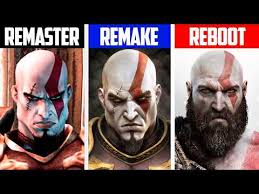
A remaster usually improves an existing version of a game or movie without completely rebuilding it. A remake recreates the original work, often with major technical or creative changes. A reboot, meanwhile, starts a franchise or story over again with a new continuity or direction.
Understanding the difference can make it much easier to know what to expect when a familiar game or movie is announced again.
What Is a Remaster?
A remaster is generally an improved version of an existing game or film.
The original work remains fundamentally the same, but its presentation can be upgraded for modern hardware.
In video games, a remaster may include:
- Higher-resolution graphics
- Improved textures
- Better lighting
- Higher frame rates
- Improved audio
- Modern display support
- Performance improvements
- Quality-of-life changes
The underlying game, however, usually remains recognizable.
Examples of Video Game Remasters
Games such as The Last of Us Remastered, Mass Effect Legendary Edition and Resident Evil 4 have helped popularize the idea of bringing older experiences to newer hardware.
The amount of improvement can vary considerably from one remaster to another.
Some are relatively simple technical upgrades, while others include substantial improvements to visuals, performance and additional content.
What Is a Remake?
A remake goes much further.
Instead of simply improving the original game’s presentation, developers rebuild the game using modern technology.
A remake can change:
- Graphics
- Gameplay
- Controls
- Character models
- Environments
- Story elements
- Voice acting
- Cutscenes
- Level design
- User interface
The goal is generally to recreate the original experience while making it suitable for a modern audience.
Examples of Video Game Remakes
Resident Evil 2, Resident Evil 4 and Dead Space are examples of games that were rebuilt using modern technology.
Although they are based on existing games, they aren’t simply upgraded copies.
Developers can redesign entire sections, change gameplay systems and reinterpret parts of the original story.
What Is a Reboot?
A reboot is different.
A reboot generally attempts to restart a franchise, continuity or story.
The creators may keep recognizable characters, concepts or elements from previous installments while establishing a new direction.
A reboot doesn’t necessarily recreate the original story.
Instead, it can provide a new starting point.
Why Do Studios Reboot Franchises?
There are several reasons a studio might reboot a franchise.
The original continuity may have become complicated, the series may have been inactive for years, or creators may want to introduce the property to a new generation.
A reboot can also give a studio more freedom to change characters, settings or storytelling.
Remake vs Remaster
The easiest way to remember the difference is:
Remaster = improve the existing version.
Remake = rebuild the experience.
For example, a remaster might increase a game’s resolution and improve its performance while preserving most of the original game.
A remake could completely rebuild the game’s environments, controls and gameplay systems.
Remake vs Reboot
A remake is normally based directly on an existing work.
A reboot is more focused on restarting a franchise or continuity.
A remake can therefore follow the original story relatively closely while modernizing the experience.
A reboot may take the same basic concept and create an entirely different interpretation.
Reboot vs Remaster
These terms are even more different.
A remaster is usually about technical improvement.
A reboot is primarily about creative direction and continuity.
A remaster doesn’t normally restart the story.
A reboot can completely change how the story or franchise works.
Can a Game Be Both a Remake and a Reboot?
Yes.
The terms aren’t always mutually exclusive.
A game can rebuild an older title while also making significant changes to its story or continuity.
This is one reason why fans sometimes disagree about whether a particular release should be called a remake, reboot or something else.
The terminology isn’t always used consistently by publishers.
What About Movies?
The same basic concepts apply to movies.
A movie remaster can improve the image and audio quality of an existing film.
A movie remake recreates the story with a new production.
A reboot can restart a franchise with a new continuity, cast or creative direction.
Hollywood has used all three approaches for decades.
Why Are Remakes and Remasters So Popular?
Older games and movies often have strong fan bases.
At the same time, older technology can make them difficult for modern audiences to experience.
Remakes and remasters can bridge that gap.
For publishers and studios, they can also bring established franchises back into the spotlight.
For players and viewers, they offer an opportunity to experience familiar stories with modern technology.
Why Do Some Fans Prefer the Original?
Not everyone wants a remake or remaster.
Some players prefer the original because of its original art style, gameplay mechanics, atmosphere or design.
A remake can also make creative changes that longtime fans don’t necessarily agree with.
That’s why original versions often remain important even after a new release arrives.
Which One Is Better: Remake, Reboot or Remaster?
There isn’t a universal answer.
Each approach serves a different purpose.
A remaster is generally designed to preserve the original experience while improving its presentation.
A remake allows developers to reinterpret the original game using modern technology.
A reboot gives creators the most freedom to establish a new direction.
The right choice depends on what the developers are trying to accomplish and what audiences want from the franchise.
Quick Comparison
| Term | Main Purpose | Usually Changes the Story? |
|---|---|---|
| Remaster | Improve the original version | Usually no |
| Remake | Rebuild the original | Sometimes |
| Reboot | Restart the franchise | Often |
Final Thoughts
The difference between a remake, reboot and remaster is mainly about how much of the original experience is being changed.
A remaster improves an existing version.
A remake rebuilds it.
A reboot starts a franchise or continuity in a new direction.
Once you understand these differences, announcements for upcoming games and movies become much easier to understand.
And when a publisher says a classic game is returning, you’ll know exactly what kind of return you’re getting.