
Why Does Darth Vader Sound So Different Without His Helmet?
Darth Vader has one of the most recognizable voices in movie history.
His deep, mechanical breathing, powerful delivery and intimidating tone make him instantly identifiable. Even when audiences cannot see him, the sound of his voice is often enough to reveal who is speaking.
But there is something particularly interesting about the character: Darth Vader sounds very different when he is not wearing his helmet.
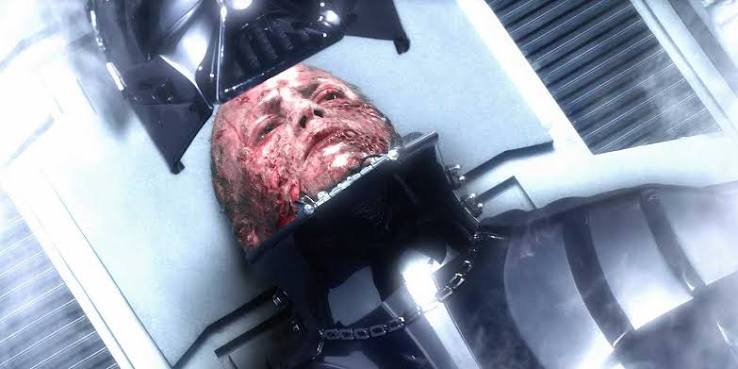
The contrast is especially noticeable in Return of the Jedi, when Luke Skywalker sees his father’s face for the first time.
So why does Vader sound so different?
The answer involves the actor behind the voice, the character’s life-support equipment and one of the most important sound-design decisions in Star Wars history.
Who Is the Voice Behind Darth Vader?
The iconic voice of Darth Vader was performed by James Earl Jones, one of the most respected actors in American cinema and theater.
Jones provided the voice for Darth Vader in the original Star Wars trilogy, giving the character his deep and commanding sound.
However, he was not the actor physically wearing the Darth Vader costume during the original trilogy.
David Prowse portrayed Vader’s physical presence in the suit, while James Earl Jones provided the voice.
This combination created a character who had both a powerful physical presence and an unforgettable vocal identity.
Why Does Darth Vader Have a Deep Voice?
James Earl Jones already had a naturally distinctive voice, but the character’s sound was carefully developed to fit Vader’s identity.
Darth Vader needed to sound threatening, authoritative and unlike an ordinary human being.
His voice communicates power even when he is standing still.
The low tone also contrasts with the voices of many other characters in the original trilogy.
Rather than sounding like a normal military commander, Vader sounds almost mechanical and otherworldly.
That difference helps establish him as someone who has been transformed by both technology and tragedy.
What Does the Helmet Have to Do With His Voice?
Darth Vader’s helmet is not simply a piece of armor.
Within the story, Vader’s suit supports his damaged body and helps him survive after his injuries.
The suit includes life-support systems, and his breathing apparatus is one of its most recognizable features.
The helmet and mask also contribute to the character’s intimidating appearance.
However, it is important to distinguish between two things:
- The fictional explanation: Vader’s suit supports his breathing and is part of his life-support system.
- The filmmaking explanation: James Earl Jones’s performance and the movie’s sound design created the voice audiences hear.
The sound of Vader’s voice is therefore a combination of character design, performance and filmmaking.
Why Does Vader Sound More Human Without the Helmet?
When Vader’s helmet is removed, audiences are no longer hearing the same fully masked presentation of the character.
In Return of the Jedi, the scene reveals Anakin Skywalker’s injured face beneath the armor.
The moment changes how viewers understand him.
For most of the trilogy, Vader appears to be an imposing figure hidden behind a mask and surrounded by mechanical sounds.
When the helmet is removed, the audience sees the person beneath the armor.
The contrast between the intimidating masked villain and the damaged man underneath is deliberate.
The scene is not simply about a change in sound. It is about revealing Vader’s humanity.
The Importance of James Earl Jones’s Performance
James Earl Jones did not need to shout to make Darth Vader sound powerful.
His performance relied on a controlled delivery, a deep register and carefully chosen emphasis.
That restraint made Vader’s dialogue feel more threatening.
The character often speaks slowly and deliberately, which gives his words weight.
His voice sounds powerful even when he is making a simple statement.
This is one reason the character remains so recognizable.
Many movie villains have memorable dialogue, but Vader’s voice became part of the character’s entire identity.
Who Created Darth Vader’s Breathing Sound?
Darth Vader’s breathing is just as important as his spoken voice.
The sound designer responsible for many of the original trilogy’s iconic audio effects was Ben Burtt.
The breathing effect helped make Vader feel like someone who depended on machinery to survive.
It also created a recognizable rhythm.
Before Vader even speaks, the audience can often identify him through his breathing alone.
This is an excellent example of how sound can communicate character information without dialogue.
The breathing does not merely make Vader sound frightening. It reminds viewers that something has happened to his body and that his existence is connected to his suit.
Is Darth Vader’s Voice Fully Mechanical?
Not exactly.
Darth Vader’s voice is presented through a mechanical-sounding vocal effect, but the performance itself comes from James Earl Jones.
The character’s voice is not simply the sound of a machine speaking.
It combines a human performance with the fictional technology of Vader’s suit and the sound-production techniques used in the movies.
This combination makes the voice feel both human and artificial.
That is important because Vader is designed around a central contradiction: he is a living person whose body has become heavily dependent on machinery.
Why Is the Difference So Important in Return of the Jedi?
The removal of Vader’s helmet is one of the most emotionally important moments in the original trilogy.
Luke has spent much of his life believing Darth Vader is an enemy.
By the end of the story, he learns that Vader is also his father, Anakin Skywalker.
When Vader asks Luke to remove his mask, the scene becomes a moment of vulnerability.
The helmet had hidden his face and reinforced his identity as Darth Vader.
Without it, the audience sees Anakin.
His voice also feels more human, helping emphasize the difference between the public image of Darth Vader and the person beneath it.
The scene shows that the armor and mask were not only physical objects. They were also symbols of the identity Anakin had adopted.
Why Does Vader’s Voice Remain So Iconic?
Several elements work together to make the voice memorable:
1. James Earl Jones’s Vocal Performance
His deep and controlled delivery gave Vader a distinctive personality.
2. The Mask and Costume
The visual design established Vader as an intimidating and imposing figure.
3. The Breathing
The mechanical breathing created an audio signature that audiences could recognize immediately.
4. The Sound Design
The combination of voice, breathing and other mechanical sounds made the character feel connected to his life-support system.
5. The Character’s Story
Vader’s voice is also connected to his tragic history as Anakin Skywalker.
The sound becomes more meaningful once audiences understand what happened to him.
Did the Helmet Change James Earl Jones’s Real Voice?
The helmet worn by the actor and the fictional mask used in the story should not be confused with the actual process used to record the character’s dialogue.
James Earl Jones provided the voice performance separately from David Prowse’s physical portrayal.
The iconic sound came from the vocal performance and the production’s sound work, rather than simply placing a microphone inside a costume and recording someone speaking through it.
This distinction is important because the character’s voice was a carefully constructed part of the filmmaking process.
The Voice Makes Darth Vader Feel Larger Than Life
Darth Vader’s appearance is intimidating, but his voice gives him an even greater presence.
He does not need to move quickly or raise his voice to dominate a scene.
His slow breathing and deep delivery create tension before he even begins speaking.
That is one of the most effective aspects of the character’s design.
The audience recognizes that Vader is dangerous not only because of what he does, but also because of how the film presents him through sound.
Final Thoughts
Darth Vader sounds different without his helmet because the character’s iconic voice is the result of a combination of performance, sound design and fictional technology.
James Earl Jones provided the legendary voice, David Prowse portrayed Vader physically in the original trilogy, and Ben Burtt’s sound work helped create the character’s mechanical breathing and audio identity.
But the difference is also meaningful within the story.
When Vader removes his helmet, the audience sees the person beneath the armor: Anakin Skywalker.
The change from the intimidating voice of Darth Vader to a more human presentation reinforces one of Star Wars’ central themes.
Behind the mask, the villain is still a person.