
Project Zomboid Review
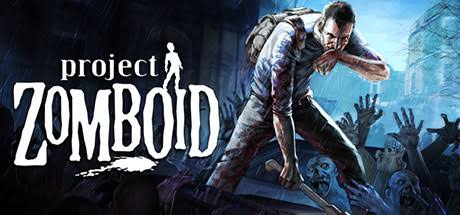
There are plenty of zombie games where the goal is simple: find weapons, kill zombies and survive until the credits roll.
Project Zomboid takes a completely different approach.
Instead of making you feel like an unstoppable survivor, the game constantly reminds you that you are vulnerable. A small mistake can ruin an otherwise successful run, and even the most prepared character can eventually run into a situation they cannot escape.
Developed by The Indie Stone, Project Zomboid combines survival, RPG, simulation and sandbox mechanics into an experience that can become surprisingly deep.
But is it actually worth playing?
Let’s find out.
A Zombie Apocalypse Where Survival Comes First
Project Zomboid is set in a fictional version of Kentucky during a zombie outbreak.
There is no traditional campaign where you follow a hero through a predetermined story. Instead, you create your own survivor and decide how you want to approach the apocalypse.
You can search abandoned houses, loot stores, build defenses, farm crops, cook food, repair equipment, learn skills and explore the world.
The important part is that almost everything comes with a risk.
A house might contain valuable supplies, but entering it could attract zombies. Driving through town can save time, but the noise can create another problem. Fighting a small group might seem easy until your character becomes tired.
The game constantly turns ordinary decisions into survival problems.
The Sandbox Is the Real Star
One of Project Zomboid’s biggest strengths is its sandbox.
The game gives you systems rather than constantly telling you what to do.
You can create a character focused on combat, farming, mechanics, cooking, carpentry, fishing or other survival skills.
You can also customize the rules of your world.
Want a more relaxed experience? You can adjust the settings.
Want an extremely difficult apocalypse? You can make the world much more dangerous.
This flexibility gives Project Zomboid an enormous amount of replay value.
Every new character can create a completely different story.
The Zombies Are Dangerous for a Reason
Project Zomboid does not treat zombies like disposable enemies.
They can overwhelm you surprisingly quickly.
The combat system requires positioning, timing and awareness. Getting surrounded is usually a terrible idea, and exhaustion can turn an easy fight into a disaster.
Noise is also important.
Using loud weapons or making too much noise can attract more zombies, meaning that winning one encounter can sometimes create an even bigger problem.
This makes combat feel less like an action game and more like a survival decision.
Sometimes the smartest fight is the one you avoid.
Death Actually Matters
Death is one of the defining elements of Project Zomboid.
There is no easy way to simply reload and pretend nothing happened.
When your character dies, that survivor is gone.
Depending on your settings, the world can remain active, meaning you can potentially return with another character and encounter the consequences of what happened to your previous survivor.
This creates an unusual emotional connection to the game.
You might spend hours developing a character, improving skills and building a safehouse.
Then one mistake can end everything.
It can be frustrating, but it is also one of the reasons survival feels meaningful.
Character Progression
Project Zomboid has a surprisingly detailed progression system.
Your character has skills that can improve through practice and training.
Carpentry can help you build and reinforce structures. Mechanics can allow you to maintain vehicles. Farming can provide a renewable food source.
The progression encourages you to specialize while still giving you reasons to develop multiple skills.
There are also positive and negative traits that influence your character from the beginning.
This system adds another layer of strategy because creating your survivor is already an important decision before the game even starts.
The World Feels Alive
The map is large, detailed and designed around exploration.
Buildings aren’t simply decorative locations. Houses, stores, warehouses, schools and other locations can contain useful supplies.
You gradually learn which areas are worth visiting and which ones are too dangerous.
The world also changes as time passes.
Food can become scarce, resources can disappear and your survival priorities can change.
That gradual deterioration makes the apocalypse feel more believable.
Multiplayer Makes the Experience Even Better
Project Zomboid can also be played with other people, and multiplayer changes the experience dramatically.
Playing with friends creates opportunities for cooperation, specialization and completely unexpected disasters.
One player might focus on construction while another searches for supplies.
Someone might maintain vehicles while another handles farming.
But cooperation is not always enough.
A single mistake can still attract a massive group of zombies.
That unpredictability is part of the fun.
The Biggest Problem: The Learning Curve
Project Zomboid is not an easy game to understand.
There are many systems, menus, skills and mechanics to learn.
New players can easily become confused by basic interactions, inventory management or combat.
The game also doesn’t always feel immediately intuitive.
For players who expect a fast-paced zombie action game, the slow pace and detailed survival mechanics can be frustrating.
Project Zomboid rewards patience.
You have to learn from mistakes rather than expecting the game to constantly guide you.
Graphics and Presentation
Project Zomboid uses an isometric visual style rather than trying to compete with modern AAA games.
At first glance, the graphics may look simple.
However, the art style works well for the game’s massive sandbox.
The camera provides a useful view of the environment, while the visual design makes it easy to understand buildings, objects and groups of zombies.
The presentation isn’t the reason to play Project Zomboid.
The systems are.
Is Project Zomboid Worth Playing?
Absolutely — especially if you enjoy survival games that give you freedom instead of constantly pushing you toward objectives.
Project Zomboid isn’t designed to make you feel powerful.
It’s designed to make survival feel difficult.
The combination of detailed survival mechanics, character progression, sandbox freedom, exploration and permanent consequences creates an experience that can keep you playing for a very long time.
However, players looking for fast zombie combat or a traditional story-driven campaign may find it too slow and complicated.
Project Zomboid demands patience.
But if you give it time, the game can create stories that feel completely unique to your own playthrough.
Positive
- Deep survival mechanics
- Huge sandbox freedom
- Excellent character progression
- Strong replay value
- Meaningful consequences
- Detailed world simulation
- Great multiplayer potential
- Extensive customization
Negative
- Steep learning curve
- Combat can feel clunky at first
- Slow pacing may not appeal to everyone
- Large number of systems can overwhelm new players
- No traditional story campaign
Project Zomboid is highly recommended for players who want a deep, unforgiving and extremely replayable zombie survival sandbox.
★ Final Verdict
Project Zomboid is one of those games that gets better the more you understand it.
Its difficult systems and unforgiving mechanics can make the first few hours challenging, but they eventually become the foundation of an incredibly immersive survival experience.
Every house you loot, every skill you improve and every dangerous situation you survive contributes to your own story.
And when everything finally goes wrong, you don’t simply lose a character.
You lose the survivor you spent hours building.
That is what makes Project Zomboid special.