
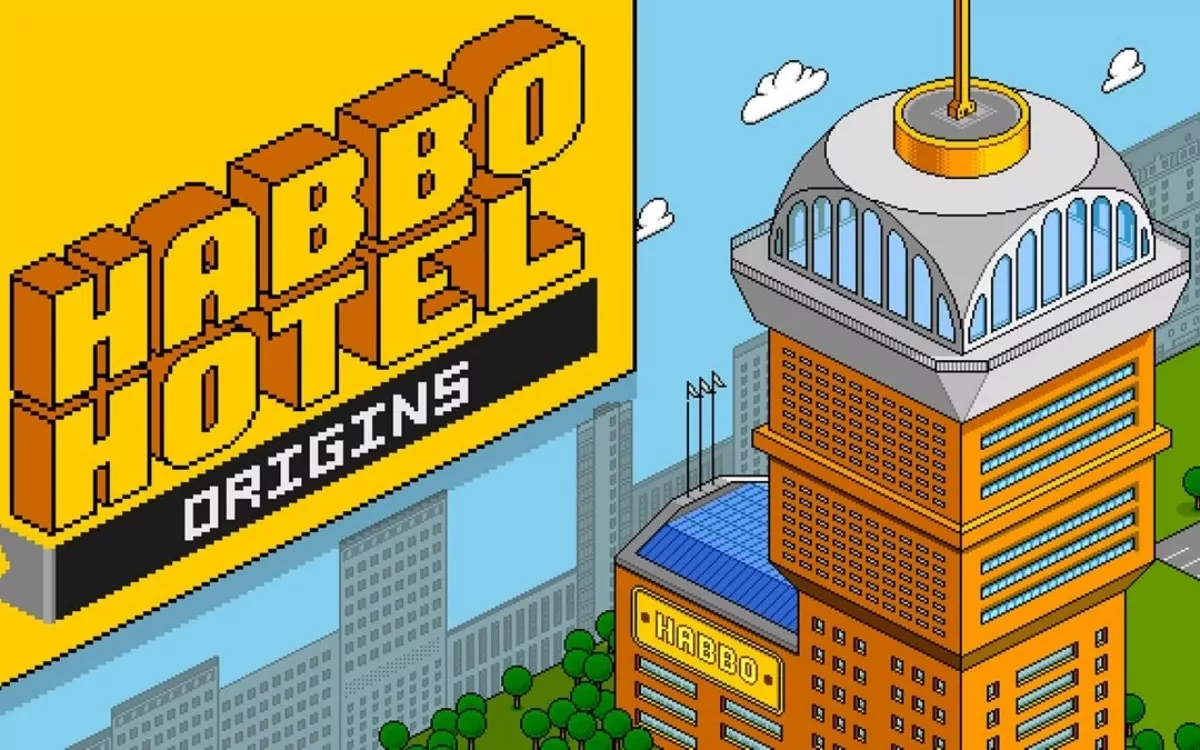
Habbo Hotel: Remembering the Virtual World That Defined a Generation
Before modern social platforms became part of everyday life, there was a colorful virtual hotel where people could create avatars, decorate rooms, chat with strangers, and build online friendships. For many internet users, Habbo Hotel was one of the most memorable digital destinations of the 2000s.
With its pixel-art characters, public rooms, collectible furniture, and busy virtual communities, Habbo offered something different from traditional video games. There was no single mission to complete. Instead, players created their own experiences inside a shared online world.
But what happened to Habbo Hotel? Did the classic virtual world disappear, or is it still around today?
How Habbo Hotel Began
Habbo’s story began in Finland in 2000, when a virtual community called Hotelli Kultakala launched online. The project developed into Habbo Hotel, an international virtual world that expanded to more countries in the following years.
Its central idea was simple: give people a digital space where they could create an avatar, explore rooms, socialize, and express themselves.
At a time when online communities were still developing, Habbo offered an imaginative alternative to traditional chat rooms. Users were represented by customizable characters and could interact with other players in a hotel-inspired environment.
The concept was easy to understand, but it offered countless possibilities. Players could visit public spaces, design private rooms, collect furniture, and take part in community activities.
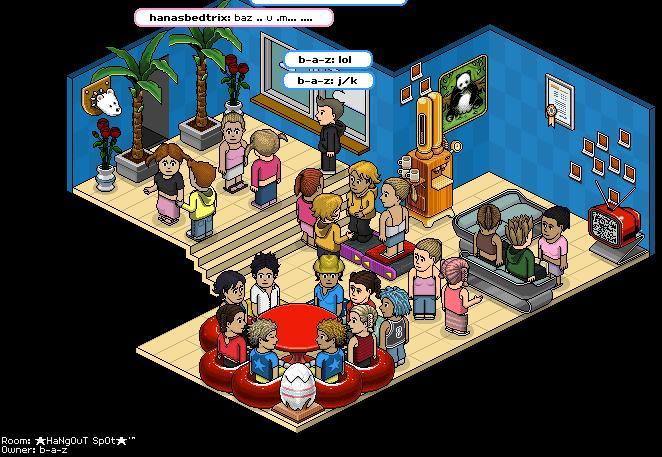
Suggested placement: Insert a screenshot of the classic Habbo interface immediately after this section’s final paragraph. Choose an image showing pixel-art avatars inside a public room or hotel lobby.
What Made Habbo So Popular?
Habbo’s greatest strength was its social experience.
Many games focus on winning matches, completing levels, or defeating enemies. Habbo gave players more freedom. Someone could spend an entire session decorating a room, chatting with friends, attending a community event, or exploring what other users had created.
The visual style also helped make the game recognizable. Its blocky avatars and colorful furniture became part of Habbo’s identity, giving the virtual world a look that stood apart from more realistic games.
Another major attraction was personalization. Players could choose their appearance, arrange furniture, and create rooms that reflected their interests. Some users built cozy apartments, while others designed elaborate hangouts or themed spaces.
This creativity encouraged people to return and see what their friends and the wider community were doing.
Habbo was not simply a game to play. For many users, it was a place to spend time.
The Importance of Rooms, Furniture, and Community
One of Habbo’s defining features was its room-building system.
Players could arrange furniture, known as furni within the community, to transform empty spaces into personalized environments. Collecting and trading items became an important part of the experience.
Some rooms were designed for casual conversations, while others hosted games, role-playing activities, parties, or community events. The creativity of the players helped make the hotel feel different every time someone explored it.
Public rooms also provided places for people to meet without needing to know one another beforehand.
This combination of user-created spaces and social interaction helped Habbo develop a community that extended beyond the official game. Fans created websites, shared guides, discussed rare items, and documented the history of their favorite rooms.
The players themselves became a major part of what made Habbo memorable.
How Habbo Became a Nostalgic Internet Classic
For people who discovered Habbo during the 2000s and early 2010s, the game was connected to a very different internet experience.
Social networks, messaging applications, and online games were evolving rapidly. Virtual worlds offered an opportunity to experiment with online identities and meet people from different places.
Habbo stood out because it combined the simplicity of a chat room with the visual appeal of a game. Rather than communicating through text alone, users could see avatars moving around a shared space.
The experience was not always about accomplishing something. Sometimes, the entire point was to log in, find friends, and spend time together.
That freedom is a major reason why Habbo still inspires nostalgia. Players remember not only the game itself but also the conversations, friendships, and unusual experiences they encountered there.
The End of Flash and a Major Change for Habbo
For many years, Habbo’s browser experience relied on Adobe Flash technology. When Flash support ended in major browsers around the end of 2020, online games built around the technology had to find alternatives.
Habbo was no exception.
The developers introduced a new client built with Unity, with an open beta beginning in December 2020. The transition was intended to help Habbo continue developing and support a more modern experience across devices.
However, the change was not seamless. Habbo’s official support documentation acknowledged that the new client lacked features and that development was still underway. In response, the company made a downloadable version of the older Flash-based client available through Adobe AIR, allowing players to access a more familiar feature set.
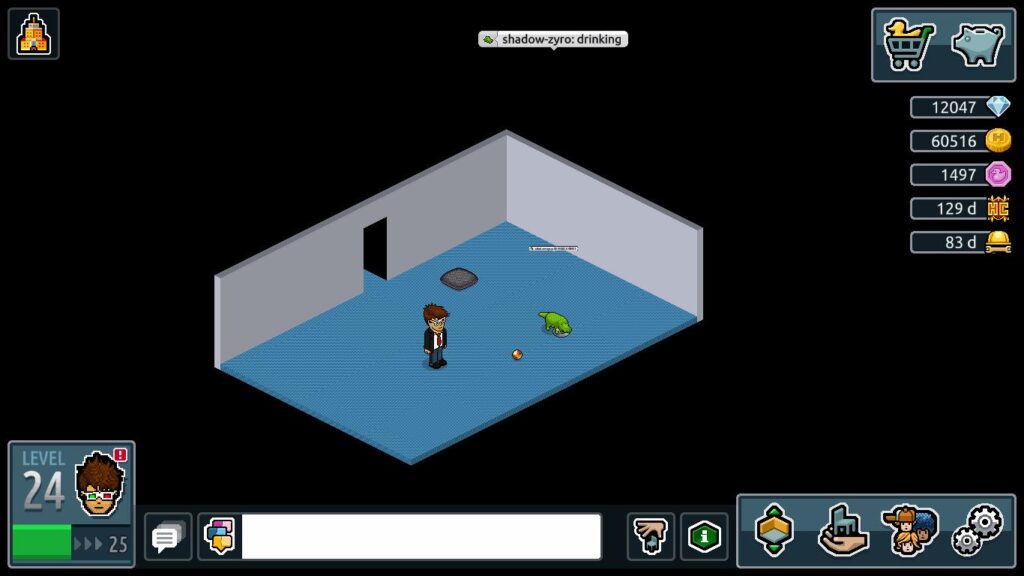
Suggested placement: Insert a screenshot of the newer Habbo interface immediately after this paragraph. Ideally, show the modern client so readers can compare it with the classic version.
The transition illustrates a challenge faced by many long-running online games: updating the technology without losing the features and familiar details that the community values.
For longtime players, the interface was not merely a technical detail. It was part of the experience they remembered.
Did Habbo Hotel Shut Down?
No. Habbo Hotel did not disappear when Flash support ended.
The game continued to operate, transitioning to newer technology and maintaining its online community. Although the experience changed, the fundamental idea remained: create an avatar, personalize rooms, collect furniture, and socialize with other players.
The distinction matters because the end of the classic browser experience can make it seem as though Habbo itself closed. In reality, the game adapted to a different technical environment.
Habbo’s continued existence also demonstrates that a virtual world can survive major platform changes, although doing so may require rebuilding features and adjusting to new player expectations.
You can find the current game through the official Habbo website.
Habbo Hotel Today: A Different Experience, but the Same Idea
Modern Habbo continues the central concept that made the original recognizable. Players can create avatars, explore rooms, interact with other users, and collect virtual items.
The experience has evolved, however. The technology, interface, and available features have changed, and the game now exists in a gaming landscape very different from the one in which it first became popular.
Habbo has also explored new ways to connect with its audience. Habbo Hotel: Origins, launched in 2024, was introduced as a separate experience inspired by an earlier era of the game.
Origins is not simply the original service restored exactly as it once existed. It is a distinct project built around the appeal of classic Habbo, offering another way for longtime fans to revisit that style of virtual world.
These developments show that nostalgia can be more than a memory. It can influence how developers maintain and reimagine long-running online communities.
Why Habbo Still Matters
Habbo Hotel represents an important chapter in the evolution of online social spaces.
Long before today’s virtual hangouts and social gaming experiences became commonplace, Habbo allowed users to create digital identities, decorate shared environments, and interact through avatars.
Its influence is not measured only by graphics or gameplay mechanics. The game demonstrated how a virtual space could become meaningful because of the people who inhabited it.
Its history also highlights the difficulties of maintaining an online world over decades. Technology changes, player expectations evolve, and developers must decide which features to preserve and which systems need to be rebuilt.
Yet Habbo’s continued operation shows that its core concept remains relevant: people enjoy having a place to express themselves, meet others, and create something together.
Final Thoughts
Habbo Hotel began in 2000 and grew into one of the most recognizable virtual worlds of the early internet era. Its pixel-art avatars, customizable rooms, furniture collections, and social communities helped define the experience for a generation of players.
The end of Flash support forced a major technical transition, but it did not bring Habbo to an end. The game continued through newer clients, while projects such as Habbo Hotel: Origins explored the appeal of its classic style.
For former players, Habbo remains a reminder of an internet where virtual rooms could feel like real meeting places and simple pixel characters could become part of lasting memories.
The technology may change, but the appeal of creating a world and sharing it with others is still very much alive.