Ben Affleck’s Canceled Batman Movie: Deathstroke’s Revenge
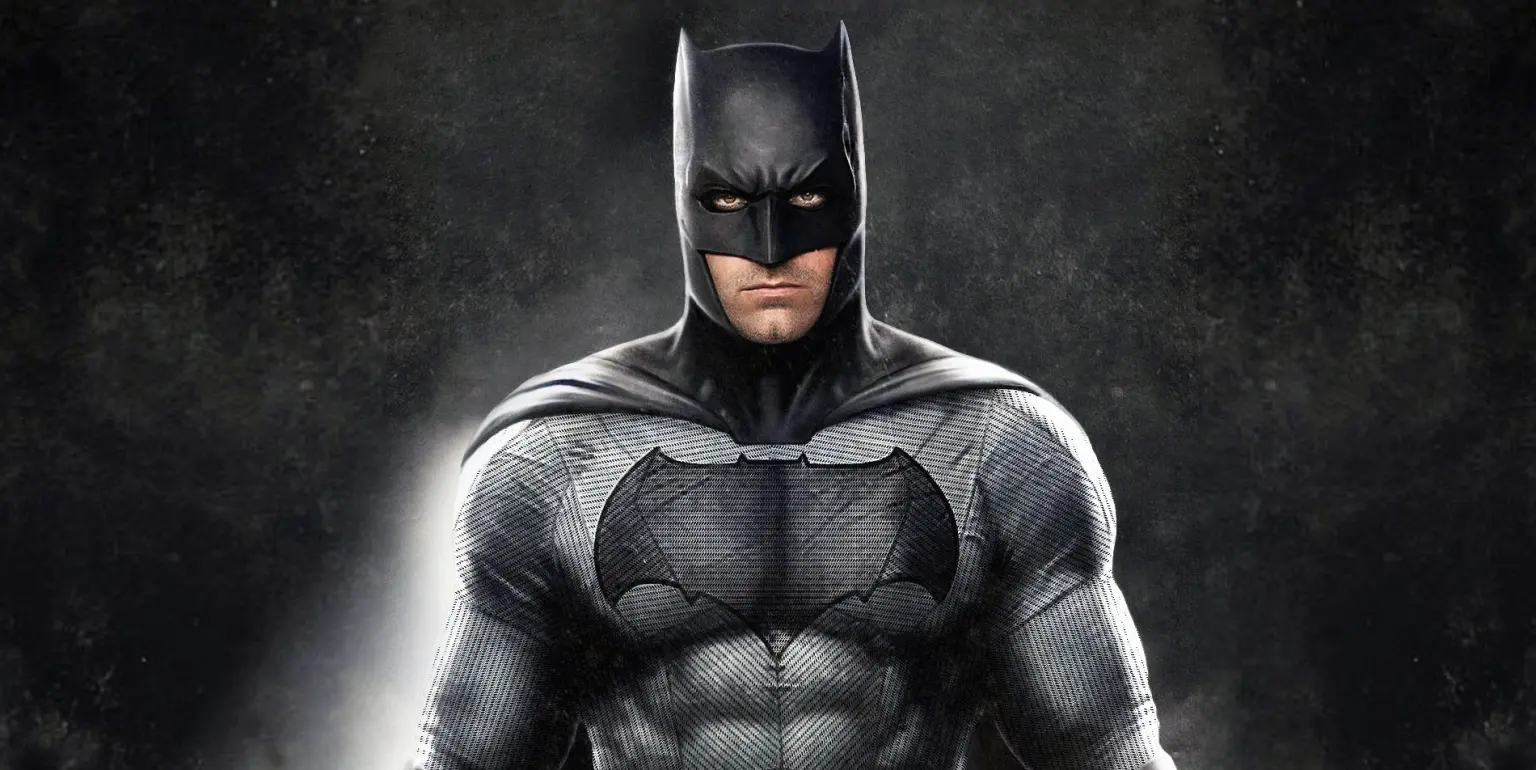
Before Robert Pattinson brought a new version of Gotham’s Dark Knight to the big screen, Ben Affleck was expected to lead a very different Batman story. His planned solo movie promised a personal conflict with one of DC’s most dangerous mercenaries: Deathstroke.
The project was eventually abandoned, but details shared by actor Joe Manganiello have offered fans a glimpse of what might have been. The story reportedly centered on revenge, psychological warfare, and a version of Bruce Wayne pushed to his limits.
It also had plans to introduce Barbara Gordon as Batgirl, potentially giving the film a major new hero alongside Affleck’s Batman.
Deathstroke’s Plan to Destroy Batman
Deathstroke, whose real name is Slade Wilson, was expected to serve as the main antagonist in Affleck’s canceled Batman movie.
According to the details discussed by Manganiello, the conflict would begin with Deathstroke believing Batman was responsible for the death of his son. That belief would drive him to target Bruce Wayne’s personal life rather than simply challenge him in a direct fight.
The idea was to make the conflict feel like a carefully planned attack on Batman’s entire world. Instead of relying exclusively on large action sequences, Deathstroke would reportedly attempt to dismantle Bruce’s life piece by piece.
The concept drew comparisons to psychological thrillers, with the villain using manipulation and strategy to keep Batman under pressure. It could have offered a different kind of superhero film, one in which Bruce’s investigative skills and ability to anticipate his enemies were just as important as his physical strength.
A Darker Gotham and Major Losses
The planned story was reportedly going to put Bruce Wayne through serious personal challenges.
Details shared about the abandoned script included the reported death of Commissioner James Gordon, a key figure in Batman’s life, and Alfred Pennyworth being taken hostage after Deathstroke reached the Batcave.
These developments would have attacked the foundations of Bruce’s life. Gordon represents Batman’s connection to law enforcement and the wider city, while Alfred serves as one of his closest confidants and a vital source of support.
The proposed plot would have made the conflict more personal than a typical battle over Gotham. Batman would have had to respond to a threat designed to weaken him emotionally as well as challenge his skills as a detective and fighter.
Because the film was never produced, audiences will never know exactly how these events would have unfolded on screen. The available descriptions provide an outline of the planned story, not a finished movie.
Batgirl Was Expected to Join the Story
One of the most interesting reported elements was the planned introduction of Barbara Gordon as Batgirl.
In the version of the story described by Manganiello, the tragedy involving her father would have played a major role in Barbara’s decision to become a hero. Her journey could have unfolded alongside Batman’s struggle against Deathstroke.
That setup would have introduced a new dynamic to the film. Bruce Wayne is an experienced vigilante who has spent years operating in Gotham, while Barbara could have represented someone beginning to discover what it means to take on that responsibility.
The story reportedly included a major sequence in which Batman and Batgirl would face overwhelming danger and narrowly escape. Although the exact scene was never filmed, it suggests the movie was intended to give the two characters a significant action sequence together.
Batgirl’s introduction could also have expanded the cinematic version of Gotham, opening the door to more stories featuring the city’s wider family of heroes.
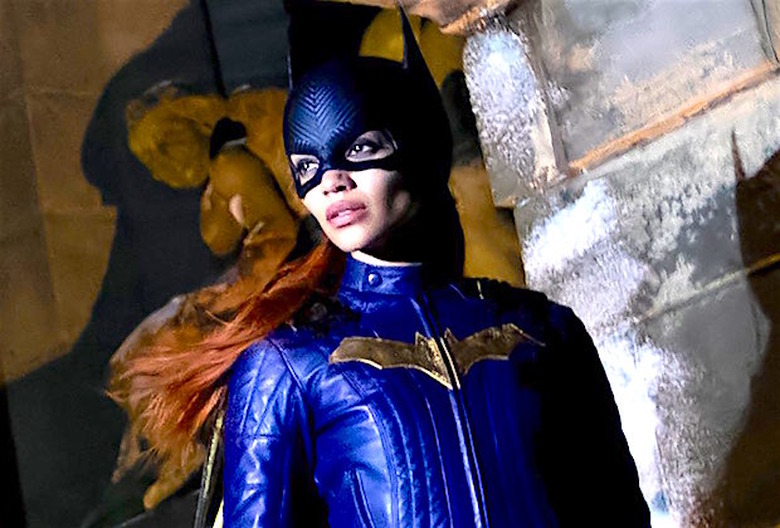
Image credit: DC / Warner Bros.
Why Ben Affleck’s Batman Movie Never Happened
Affleck was expected to take on several major responsibilities for the project, including writing, directing, producing, and starring as Batman. That was an enormous workload for a film built around one of DC’s most recognizable characters.
The wider DC cinematic universe was also going through a period of change. The production challenges surrounding Justice League, alongside changes in the franchise’s creative direction, contributed to an uncertain future for the original plans.
Affleck eventually stepped away from directing the solo Batman film. Matt Reeves later developed a separate interpretation of the character, leading to The Batman, starring Robert Pattinson.
Reeves’ film took a different approach, focusing on detective work, corruption, and a younger Bruce Wayne still learning what kind of Batman he wants to become.
It is important to distinguish these projects: Reeves’ The Batman was not simply Affleck’s original movie with a new actor. It developed into its own story and cinematic universe.
What Joe Manganiello Revealed About the Lost Film
Manganiello, who had been cast as Deathstroke, has discussed the abandoned project and shared details about the story in connection with his book Bloodlines.
His comments have renewed interest in a film that fans only saw in fragments, including a short test-footage reveal featuring Manganiello as the mercenary.
The material suggested a very different direction for Deathstroke than a brief appearance in a larger team-up movie. He was positioned as a central threat capable of challenging Batman through planning, intelligence, and a personal vendetta.
Still, some details of an unproduced film can be difficult to separate from evolving drafts and plans. Without a completed movie or a fully released screenplay, it is impossible to know exactly how every idea would have appeared in the final version.
That uncertainty is part of what makes the project fascinating: fans can imagine the possibilities, but the finished story remains unseen.
Could Affleck’s Batman Have Delivered a Different DC Movie?
The proposed film had several elements that could have made it stand out: a personal rivalry, a tactical antagonist, a more experienced Batman, and the potential arrival of Batgirl.
Its focus on Deathstroke could have placed greater emphasis on detective work and strategy than some other superhero blockbusters. A villain who understands Batman’s methods and targets his weaknesses would have created a different challenge from a conventional threat to Gotham.
At the same time, an ambitious concept does not guarantee a successful movie. The screenplay, direction, performances, and overall execution would ultimately have determined whether the story worked.
The project also raises an interesting question about DC’s cinematic history: how different might the franchise have looked if Affleck had completed his own Batman film?
There is no definitive answer. What remains is a compelling outline of a movie that might have explored Bruce Wayne’s world from a darker and more personal angle.
The Batman Story Fans Never Got to See
Ben Affleck’s canceled Batman movie remains one of the most talked-about unrealized projects from DC’s previous cinematic era.
The reported Deathstroke storyline offered a direct personal challenge for Bruce Wayne, while the planned introduction of Batgirl could have expanded the film’s cast and future possibilities.
Instead, DC moved in another direction, and The Batman became a separate take on Gotham’s most famous detective.
The canceled project will always be a story of unrealized potential. Whether it would have become one of the strongest Batman films or struggled under the weight of its ambitious plans is something fans can only speculate about.
For now, the details shared by Manganiello provide a glimpse into an alternate version of Gotham — one that never made it beyond development.