Dragon City: What Happened to the Facebook Game Everyone Played?
Remember spending time on Facebook raising dragons, building habitats, collecting gold, and waiting for eggs to hatch? For many players, Dragon City was one of the most memorable social games of the early 2010s.
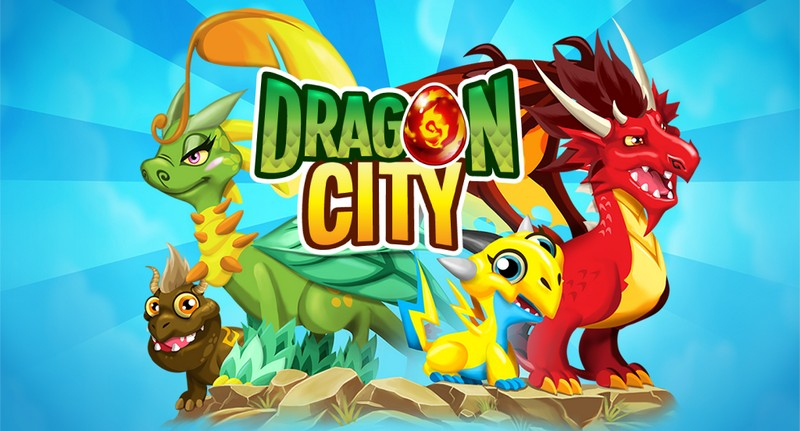
Developed by Socialpoint, Dragon City turned a simple idea into an addictive routine: build a floating city, collect different dragons, breed new creatures, and train them for battles. Its colorful world and steady stream of goals made it easy to return every day.
But if you remember playing it directly through Facebook, you may have noticed that the experience eventually changed. So, what happened to Dragon City, and can you still play it today?
How Dragon City Became a Facebook Hit
Dragon City launched on Facebook in 2012, during a period when social games were a major part of the platform’s appeal.
Back then, Facebook wasn’t just a place to post photos or chat with friends. It was also a gaming destination filled with farming simulators, city-building experiences, puzzles, and virtual worlds.
Dragon City stood out by combining creature collecting with city management. Instead of simply building houses or growing crops, players created habitats for dragons, collected resources, and expanded their own fantasy islands.
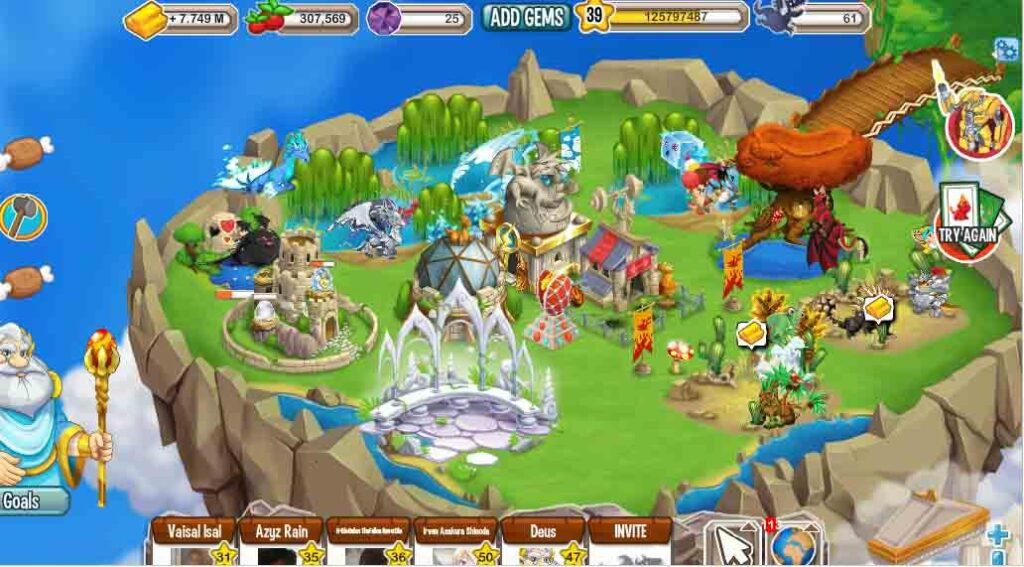
Suggested placement: Immediately after this paragraph. Use an image showing the original Facebook-era game, with its floating islands, dragon habitats, or classic interface.
The game quickly gained attention. In December 2012, Facebook included Dragon City among its top-rated social games of the year, recognizing both player ratings and engagement.
By March 2013, Socialpoint announced that the game had more than 25 million monthly Facebook players as it expanded to iOS. Dragon City was no longer limited to the computer screen.
What Made Dragon City So Addictive?
The original appeal was easy to understand. Players always had something to work toward.
You could hatch eggs, feed baby dragons, level up your creatures, build new habitats, and experiment with breeding combinations. Discovering a new dragon provided another reason to keep playing.
The city itself also encouraged long-term progress. As your collection grew, you needed more space, more habitats, and more resources to manage everything.
Friends were another important part of the experience. Social features allowed players to connect their gaming lives with their Facebook communities, making the game feel like something they could share rather than enjoy alone.
And, like many free-to-play games, Dragon City used timers and recurring activities to encourage players to return regularly.
For players who enjoyed collecting and progression, the cycle was simple but effective: build, collect, hatch, train, and repeat.
When Dragon City Moved Beyond Facebook
Dragon City’s expansion to mobile devices was one of the most important changes in its history.
The iOS version arrived in the early years of the game’s life, and an Android release followed in 2014. Mobile gaming offered a major advantage: players could check on their dragons without needing to sit at a computer and open Facebook.
The core concept remained familiar, but the game could now reach people who rarely used Facebook for gaming. It also became easier to develop a dedicated mobile experience with its own updates, events, and interface.
Over time, Dragon City became increasingly associated with its mobile version. What had started as a social network game was developing into a standalone mobile title.
This transition helped the franchise continue beyond the era when Facebook games were at the center of online entertainment.
Why Did the Facebook Version Close?
The Facebook version of Dragon City closed on February 2, 2020.
That did not mean the entire game had disappeared. Instead, the original Facebook experience ended while Dragon City continued on other platforms, particularly mobile devices.
The closure reflected a broader change in gaming habits. Over the years, more players had moved toward dedicated mobile games, app stores, and experiences designed to work independently of a social network.
Facebook gaming itself also evolved. The platform that had once been home to many popular browser-based social games no longer occupied the same place in everyday gaming culture.
It is important not to confuse the closure of one version with the cancellation of the entire franchise. Dragon City continued after its Facebook chapter ended.
Can You Still Play Dragon City Today?
Yes! Dragon City is still available as a modern game.
The official Socialpoint website continues to promote Dragon City, and the game is available on mobile platforms. The experience has expanded significantly from its early Facebook days.
Suggested placement: Immediately after this paragraph. Choose a current screenshot showing the modern island, dragon habitats, or updated game interface.
Today’s game includes features such as dragon breeding, training, player-versus-player battles, alliances, and recurring events.
You can explore the current version through the official Dragon City website or find it on the Google Play Store.
However, the modern version is not identical to the original Facebook game. Its content, interface, progression systems, and overall scale have changed over the years.
If you return after a long break, expect a much bigger experience than the one you may remember.
What Changed Between the Old and New Dragon City?
The biggest difference is scale.
The classic version introduced many players to the basic pleasure of collecting dragons and building a floating city. The modern game offers a much broader collection system, more battle options, and frequent events.
The interface has also evolved to support a more complex game. New players have more features to discover, while returning players may need time to understand the systems that were added after they stopped playing.
The social experience has changed as well. Facebook was once central to how many players discovered and accessed the game. Today, Dragon City operates as a dedicated title with its own community and mobile ecosystem.
These changes helped the game survive, but they also mean that the current experience may feel very different to someone who remembers playing it in a browser more than a decade ago.
Why Dragon City Still Matters to Gaming History
Dragon City represents an important period in online gaming when social networks became major destinations for casual entertainment.
Games like this brought progression systems, virtual collections, and multiplayer interactions to audiences who might never have considered themselves traditional gamers.
They also helped demonstrate that a game could begin on one platform and continue growing as player habits changed.
Dragon City’s move from Facebook to mobile is a useful example of that transition. Instead of disappearing when its original platform ended, the game adapted and continued to receive support.
For longtime fans, the nostalgia comes from more than the dragons themselves. It is also about the time spent checking a growing island, waiting for an egg to hatch, and sharing a game with friends through Facebook.
Final Thoughts
Dragon City began as a Facebook game in 2012 and became one of the recognizable social gaming hits of its era. Its combination of dragon collecting, breeding, city building, and battles gave players plenty of reasons to return.
The Facebook version closed on February 2, 2020, but Dragon City itself did not end. The game continued on mobile, where it grew into a larger experience with more dragons, events, and competitive features.
For anyone who remembers the original browser-based version, Dragon City is a reminder of how much online gaming has changed. The platform may be different, and the game may have grown considerably, but the central idea of building a world filled with dragons is still alive.